“Siddhu ki Mummy” — that is how the aunty staying in the house opposite mine has been calling me for the past 20 years. In India, it is quite common to address women by their children’s names, and over the years, I had grown so accustomed to being called by my son’s name that it had become a part of my identity. When my son reached his teens, he insisted that his nickname be changed from Siddhu to Sid. But aunty still continued calling me that way, even though she called my son Sid.
Then, suddenly, after July 2022, she started calling me by my name, rather than by my child’s name. (Till then, I wasn’t even sure whether she knew my name.)
The first time I heard her call me by my name, my heart sank. It was a small change, but it carried a meaning I was not prepared for. Every time she called me by my name, it reminded me that my child was no longer here. To someone else, it would be a very minor change, but for me, a grieving mother, it was an acknowledgement of the fact that my son no longer existed in this world, and it created a pain that cannot be explained.
After a few months, I actually gathered the courage and told her, “Please continue calling me ‘Siddhu ki Mummy.’ I like listening to my son’s name.” It was then that she, with wet eyes, said, “I am comfortable calling you that too, but I thought maybe you would feel hurt and more upset.”
Her words made me realise that, while people often have the best intentions, they may not always understand what a grieving parent truly needs. This made me think that there is such a huge misconception among people that talking about a child who has transitioned makes the parents sad.
Is that true?
From my understanding and perspective, absolutely not.
I still love talking about my son. It validates that he was here on this earth. He has left this world early, but that does not negate the fact that he was here. His life was not defined by the day he left this world. It was defined by all the days he lived, the love he shared, the people he touched, and the memories he created.
When someone talks about my son, it also makes me feel elated to know that he had made a difference in someone else’s life, and that he is still fondly remembered by someone.
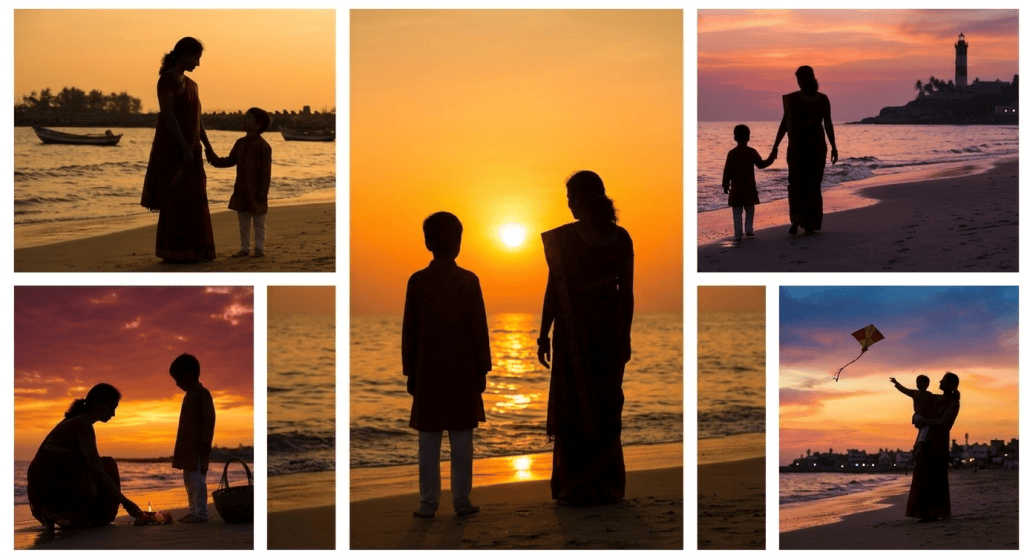
I am so proud when his friends share how they still remember him on occasions. It makes me feel the love that he has left behind with his friends. Their stories bring me closer to the parts of his life that I have not witnessed myself, and each memory feels like a precious piece of him being returned to me.
On the contrary, when people avoid talking about him, it makes me sad, as if they are defining him by that one day when the accident happened. It feels like the twenty-one years that he was on this earth had no meaning.
As though the day he died has overshadowed all the years he lived. As though his absence has become more significant than his existence.
The fact that there are people who are slowly forgetting him makes me not only sad but deeply pained. I know that life moves forward for everyone, and that new experiences and responsibilities gradually fill the days. But for a mother who has lost her child, those years spent together remain an inseparable part of her life. As parents, one of our deepest fears is that, with time, the world will slowly forget our children. The conversations may become fewer, their names may be mentioned less often, and life may move on for those who knew them. But for us, our children are not a chapter that has ended. They remain an integral part of who we are, and every memory shared keeps their stories alive.
Perhaps this is what people sometimes misunderstand about grief. They assume that mentioning our child will bring only sadness, whereas, in reality, remembering them can bring a beautiful mixture of emotions. Yes, there may be tears, but there may also be smiles, laughter, pride, and immense happiness. Sometimes, those tears come from the happiness of remembering, the pride of being their parents, and the gratitude for having experienced a love so profound. Grief and love can coexist, just as tears and smiles can appear in the same moment.
In a nutshell, not talking about my son pains me more than saying his name. Every time I hear his name, it’s a validation of his existence. It tells me that he is remembered, that his life mattered to someone beyond our family, and that the love he shared continues to live on in other hearts.
So, the next time you think of a child who has died, say their name. Share a memory. Tell their parents something you remember about them. Do not assume that silence is kindness or that speaking about them will always cause pain. You may be giving a grieving parent a moment of happiness that you never imagined possible.
Because for me, hearing “Sid/Siddhu” is not just about remembering that I have lost my son. It is also about remembering that I was blessed to be his mother, that he was here, that he lived, and that he continues to be loved.
I am, and always will be, Sid/Siddhu’s Mom. And every time someone says his name, it makes me happy and brings both tears and a smile to my face.

